
Trade-in offers can feel like a black box — you bring your bike in, someone looks it over, and a number comes back that either feels fair or doesn’t, with no real way to know which. The good news is that trade-in value isn’t guesswork. It’s built from specific, checkable factors, and knowing them ahead of time puts you in a much stronger position to evaluate whether an offer is actually fair.
We appraise trade-ins constantly, and the sellers who walk away happiest are almost always the ones who understood what goes into the number before they ever brought the bike in.
What Actually Determines Trade-In Value
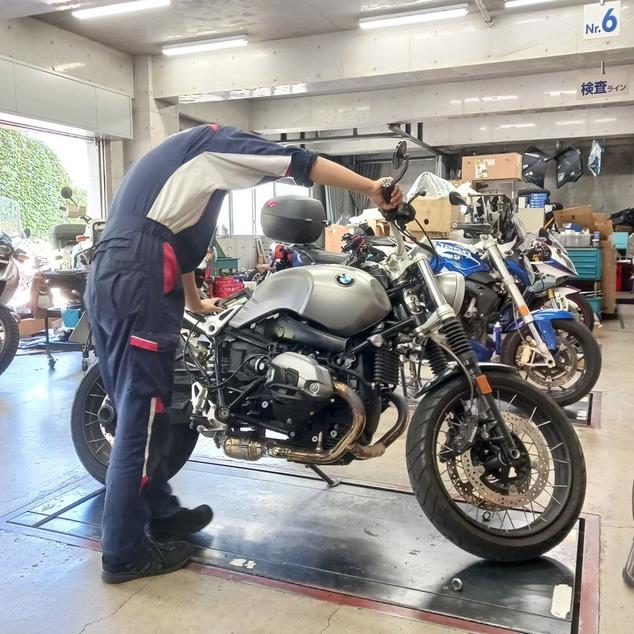
A fair trade-in appraisal comes down to a consistent set of factors, not a gut feeling:
- Make, model, and year — demand varies significantly by segment; cruisers, sport bikes, and dirt bikes each move at different rates depending on current market trends
- Mileage — lower mileage typically supports a stronger value, though a well-documented higher-mileage bike can still perform better than a neglected low-mileage one
- Overall mechanical condition — compression, clutch engagement, electrical system function, and drivetrain condition matter more than cosmetics
- Cosmetic condition — paint, chrome, seat condition, and general wear affect resale appeal but weigh less heavily than mechanical soundness
- Title status — a clean title supports full value; salvage or rebuilt titles reduce it significantly
- Maintenance history — documented service records give an appraiser confidence the bike was properly cared for, not just ridden hard and parked
- Current retail demand — even a pristine bike in a slow-moving category will trade differently than a high-demand model right now
Trade-In Value vs. Private Sale Value: Why They’re Different Numbers
This is the comparison that trips people up most. A private sale price and a trade-in value aren’t measuring the same thing, so comparing them directly isn’t quite fair to either number.
Private sale value reflects what you might eventually get after weeks of listing, negotiating, and dealing with buyers who fall through — with no guarantee of an actual sale at that price.
Trade-in value reflects an immediate, certain transaction — no advertising, no waiting, no risk of a deal falling apart, and the value applies directly toward your next purchase, which can reduce sales tax owed on the new bike in many states.
A trade-in number is typically lower than a hoped-for private sale price, but it’s also a real number you can act on today, not a theoretical one you’re hoping to eventually get.
How to Prepare Your Motorcycle for a Trade-In Appraisal
A few simple steps before your appointment can genuinely improve your offer:
- Clean the bike thoroughly — appraisers form an impression quickly, and a clean bike signals it’s been cared for
- Fix small, inexpensive issues — a burnt-out bulb, a loose mirror, or worn grips cost little to fix but can affect perceived condition disproportionately
- Gather maintenance records — oil change history, tire replacement dates, and any major service work
- Know your payoff amount if you’re still financing — this avoids surprises mid-transaction and lets you see the true net value of the trade
- Bring your title and ID — having documentation ready speeds up the entire process
Questions to Ask During Your Appraisal
A transparent appraisal process should be able to answer these clearly:
- What specific factors brought the value up or down from where you expected?
- How does current market demand for this make and model factor into the number?
- Is the offer contingent on anything (a re-inspection, financing approval, etc.)?
- How long is the offer valid if you want time to decide?
If a dealer can’t explain the reasoning behind a number, that’s worth noting — a fair appraisal process should hold up to specific questions, not just a flat “that’s what it’s worth.”
Getting Multiple Opinions Without Wasting Time

It’s reasonable to get more than one trade-in quote before committing, especially on a higher-value bike. That said, appraisals can shift day to day with market conditions, so comparing quotes taken weeks apart isn’t a true apples-to-apples comparison. If you’re serious about comparing, try to get quotes within the same short window.
Rolling Your Trade Into a New Purchase
Once you know your trade-in value, it applies directly toward whatever you’re riding away on next — which is where the real advantage of trading in (versus selling privately and buying separately) usually shows up. Browse our current motorcycle inventory to see what your trade value could put you into, and our financing team can walk through how the trade affects your monthly payment and approval terms.
Not Ready to Buy Yet? You Still Have Options
If you want to trade in your bike without committing to a new purchase right away, or you’re weighing trade-in against a straight cash sale, it’s worth asking about both during the same appraisal — the numbers may be closer than you’d expect. Our consignment program is also worth considering if you’d rather aim for a higher final sale price and don’t need the value applied immediately.
Get an Honest Appraisal
The best way to know if a trade-in offer is fair is to bring your bike in and ask the questions above directly. Stop by our Fayetteville, NC location for an in-person appraisal, or reach out through our contact page with any questions before you come in.